Voices from Campus
Q&A with melissa larocque - Senior Associate Director of admissions & financial aid, Belmont hill
To get a clearer sense of how schools are thinking about storytelling today, we asked Melissa to reflect on a few core questions… how stories are chosen, what makes them resonate, and where video fits into the mix.
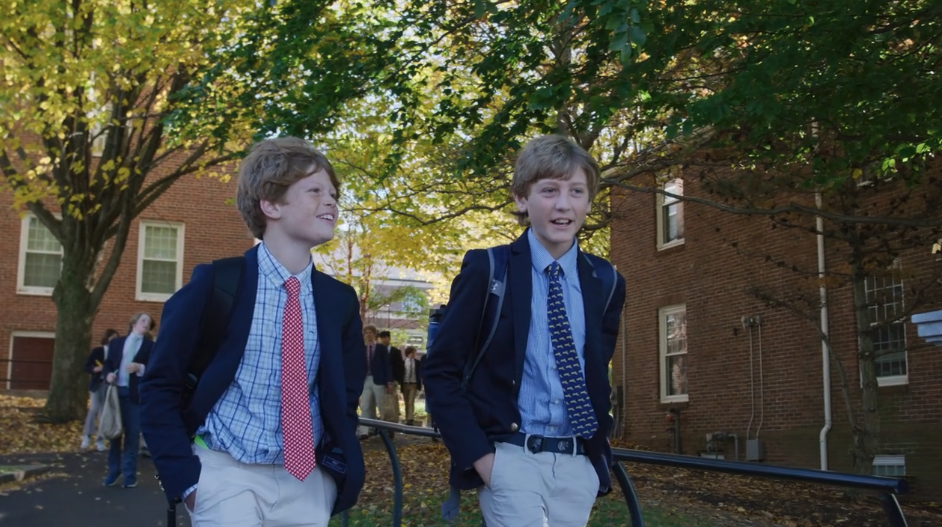
1.What matters most to you when telling your school’s story, so it feels personal & real?
What matters most to me is that the stories we tell are true and authentic. Whatever we share should resonate deeply with our students, faculty, and staff. I also like having a plan, but not a script. Some of the best moments happen unexpectedly, and having the flexibility to trust the creative process often allows the best stories to emerge.
2. How do you decide which stories are worth telling — and which ones aren’t?
I look for stories that reinforce who we are and why our school matters. If they highlight something that genuinely sets us apart, even better. There are plenty of moments every year that make us proud, but the real challenge is telling those stories in a way that people connect with and remember. That’s where having a creative partner who truly understands storytelling can make all the difference.
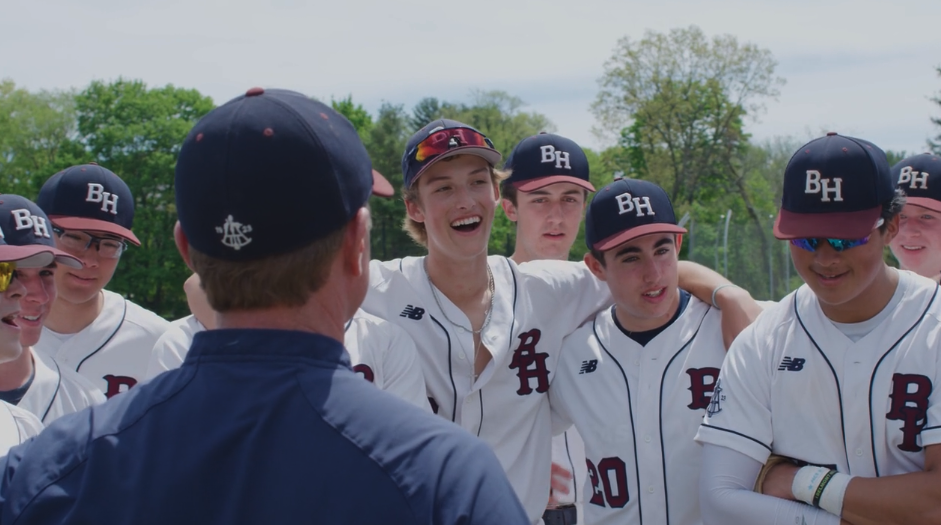
3. Where does video succeed in ways other forms of communication don’t?
Students have more of a voice than ever in deciding where they want to go to school, and video is one of the most effective ways to reach them. It captures the heart of a school in a way other mediums simply can’t. You can see the interactions, hear the laughter, and get a good sense of the community. Facts and figures matter, but what people remember is how a school made them feel. That’s what great video storytelling can do.
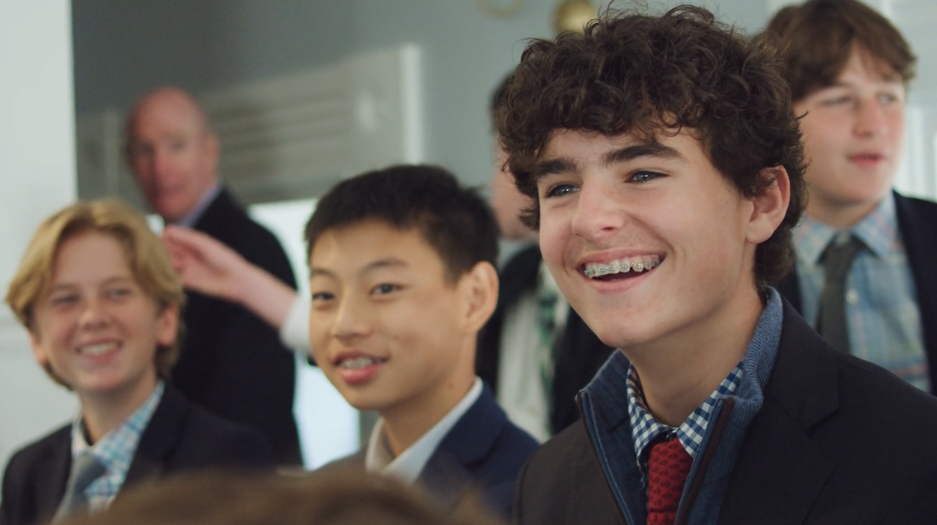
4. What’s one storytelling challenge your team is actively working through right now?
Like most schools, we’re always thinking about how to make the biggest impact with the resources we have. That means being thoughtful about where we invest professionally produced content, while also creating space for authentic, day-to-day storytelling from our community.
5. What’s one small, practical content idea you’d encourage other schools to try?
I love the idea of letting students tell more of the story alongside a school’s professionally produced content. Loosening the reins and giving students the freedom to share their experiences in their own voice is about as authentic as it gets. It’s a win-win: students feel trusted and empowered, and prospective students can picture themselves in those same experiences.